
● TCO Fly Shop · Stream Report
Spring Creek
Low and Clear Conditions
Fair
Filed by TCO Staff of TCO State College on Nov 14
USGS gauge
Reading from Nov 14, 11:45 PM
Flow
56.3cfs
Gage height
2.28ft
Spring Creek near Axemann, PA USGS data
Flow rating
Skinny
Clarity
Clear
What's Hatching
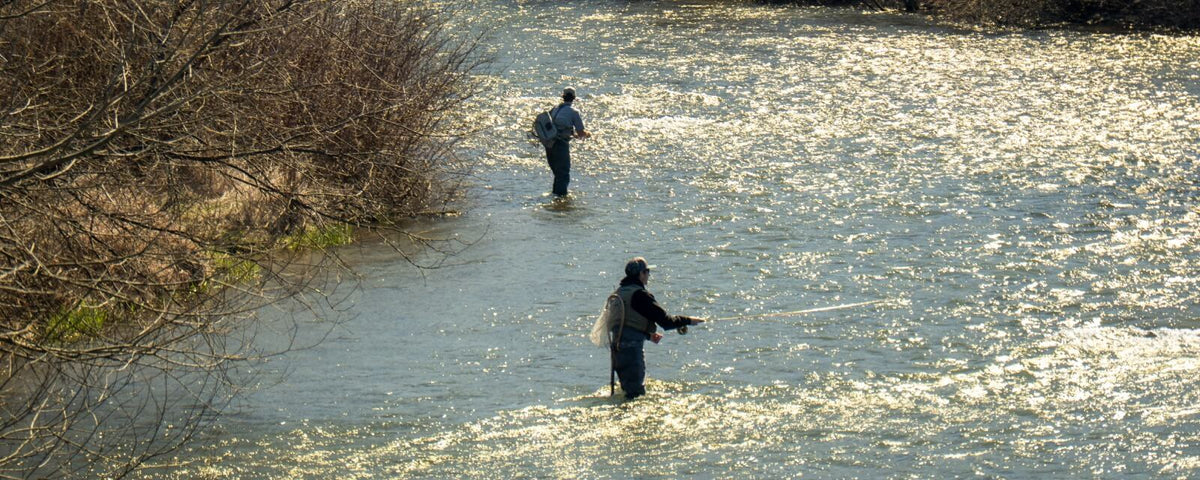
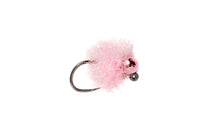
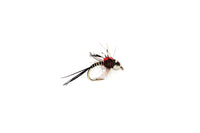
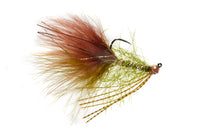
Spring Creek has been low and clear, rain has not added much flow. Look for BWOs and maybe a few midges on top. Search below with smaller nymph and egg patterns. The streamer bite has been good early and late in the day. Keep an eye out for redds and DO NOT fish to actively spawning trout!
Hatches
BWO (18-22)
Midges (20-26)
What they're eating
Hot flies
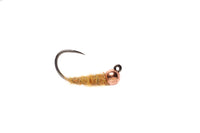
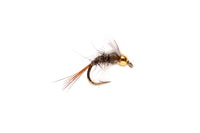
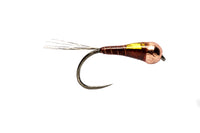
Flow
TCO's own calibration of the creek's fishable window. The needle is where it sits right now.
56.3 cfs · Skinny
0
90
150
220
350
Skinny0–90
Prime90–150
Pushy150–220
Blown220+
Low and technical. Long leaders, light tippet.
Water temp
32°
48°
56°
64°
68°
80°
46–
52
F
Staff-estimated range across the day.
Cold<48°
Cool48–56°
Prime56–64°
Caution64–68°
Not safe for trout68°+
Prime temps. Trout are active.
Range estimated by TCO staff
General Information
General Information ANGLERS VISITING OUR AREA: Specifically those of you who just fished the Delaware River (or other streams in the NY Catskill Region), the Farmington in Connecticut, or Maryland's Gunpowder River, Please clean your boots and waders with a diluted bleach solution OR hot water(must be over 140 degrees f) and laundry detergent - It must soak for at least 30 minutes to be effective. DIDYMO has been identified in these watersheds. Another option is to purchase a second pair of boots and waders to wear only in infected waters. It's the only sure way not to spread DIDYMO. Please be responsible - Don't spread DIDYMO TO Central Pennsylvania! Click here to learn more about DIDYMO. This is a real threat to the quality of our fly fishing!
Flow bands and temperature bands are TCO's own calibration from years on this water, not a USGS product. The 68° line is a conservation threshold, not our opinion. Gauge data courtesy of the U.S. Geological Survey.